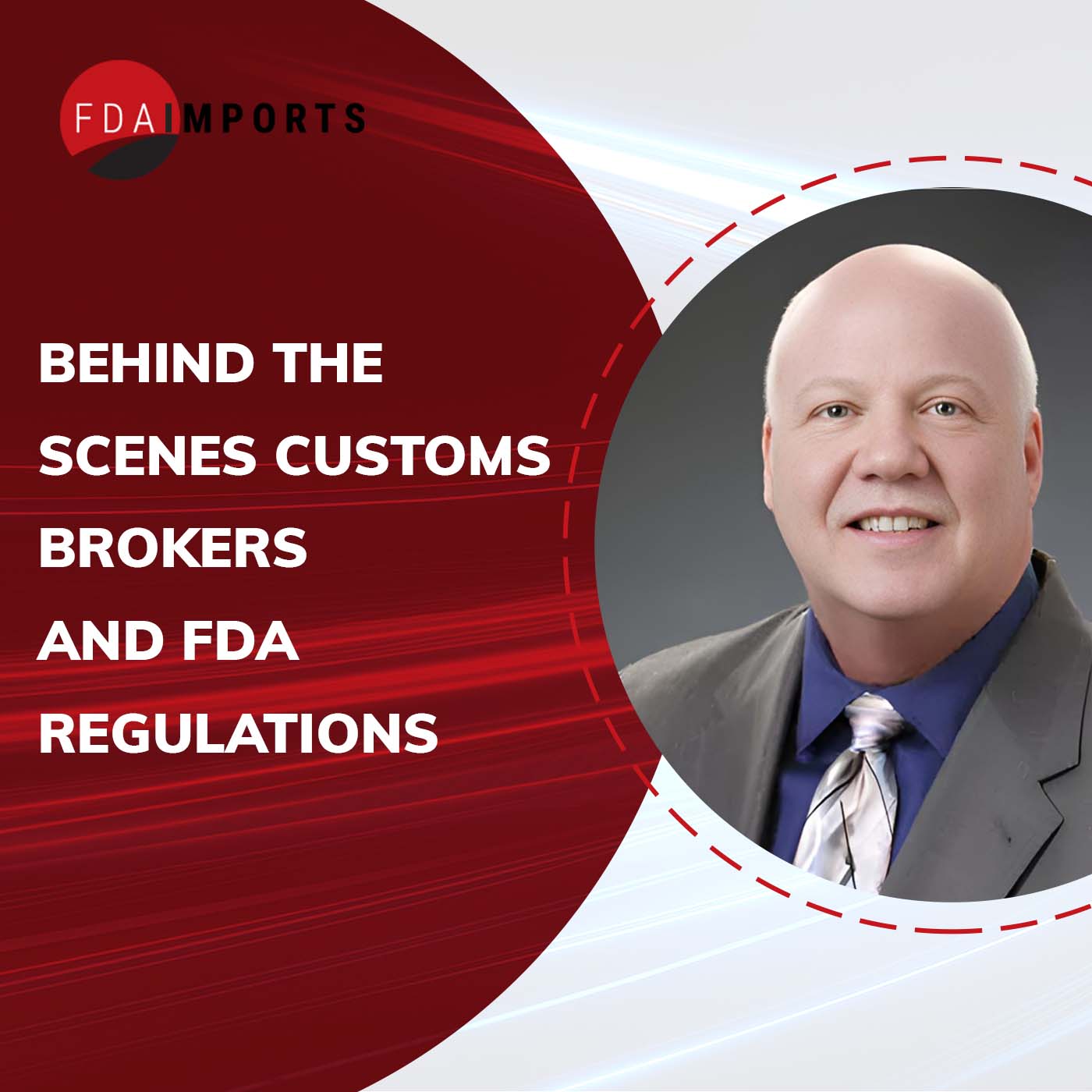
Behind the Scenes: Customs Brokers and FDA Regulations
EpisodeMar 10, 202519m
Episode Summary:
In this episode of FDA Imports: Cross-Border Compliance, attorney Benjamin L. England breaks down the complex regulations governing food imports into the U.S. He explains the distinct roles of the FDA and USDA, focusing on key compliance areas such as adulteration, misbranding, and the pre-import permit process. Listeners will gain insight into how food safety regulations apply to different products, including high-risk categories like seafood, fresh produce, and canned foods. England also discusses the FDA’s sampling and enforcement process, labeling requirements, and the consequences of non-compliance at the border.
Timestamps:
00:00 – Introduction to FDA Imports: Cross-Border Compliance
00:06 – Overview of U.S. food import regulations
00:31 – Key FDA regulations for imported food
00:41 – The roles of FDA and USDA in food regulation
02:00 – USDA’s permit requirements and import restrictions
03:30 – FDA’s focus on adulteration and misbranding
05:00 – The pre-approval process for canned and shelf-stable foods
06:17 – Breaking down food adulteration risks
07:53 – What happens when the FDA detects a violation?
08:01 – FDA’s sampling and detention process
10:27 – How FDA selects shipments for inspection
12:59 – FDA’s targeted approach to food safety enforcement
14:20 – Labeling violations: The most common import issue
16:08 – Understanding food labeling requirements
About the Show:
FDA Imports: Cross-Border Compliance is a podcast dedicated to helping businesses navigate the complexities of U.S. food, drug, and medical device imports. Hosted by industry experts, the show provides in-depth discussions on regulatory compliance, enforcement trends, and best practices to ensure seamless cross-border trade.
Top comments